Introduction
In emergency situations, every 2nd matters-- specifically when it involves saving lives. The act of executing chest compressions during a cardiac arrest can mean the distinction in between life and fatality. This article looks into the complexities of Mastering Compressions: Taking Transforms to Conserve Lives, highlighting the importance of team effort, appropriate strategy, and expertise of protocols that can boost survival prices in essential circumstances. By the end of this detailed overview, you will have a much deeper understanding of not just standard vs innovative life support, but additionally how taking turns on compressions can optimize rescue efforts.
Mastering Compressions: Taking Transforms to Save Lives
When it involves mouth-to-mouth resuscitation (cardiopulmonary resuscitation), mastering compressions is vital. Upper body compressions are the heart of mouth-to-mouth resuscitation, actually and figuratively. They keep blood circulation to crucial body organs when the heart stops working, giving time for emergency solutions to arrive and take over. Nonetheless, lots of people are unaware that taking turns throughout compressions can dramatically enhance effectiveness and effectiveness.
The Relevance of Chest Compressions
- What are Chest Compressions? Chest compressions are rhythmic presses related to the sternum, intending to resemble the heart's pumping action. Why Are They Critical? During cardiac arrest, blood flow quits. Without prompt treatment, mental retardation and death can occur within minutes.
Basic vs Advanced Life Support
Understanding the distinction between basic vs innovative life support is critical for any person looking to give assistance in an emergency.
- Basic Life Assistance (BLS) Often educated in CPR courses, BLS consists of chest compressions, rescue breaths (if educated), and using an AED (Automated External Defibrillator). Advanced Life Support (ALS) ALS includes much more complex procedures like airway administration and medication administration by qualified medical care professionals.
Checking Responsiveness: The Initial Step
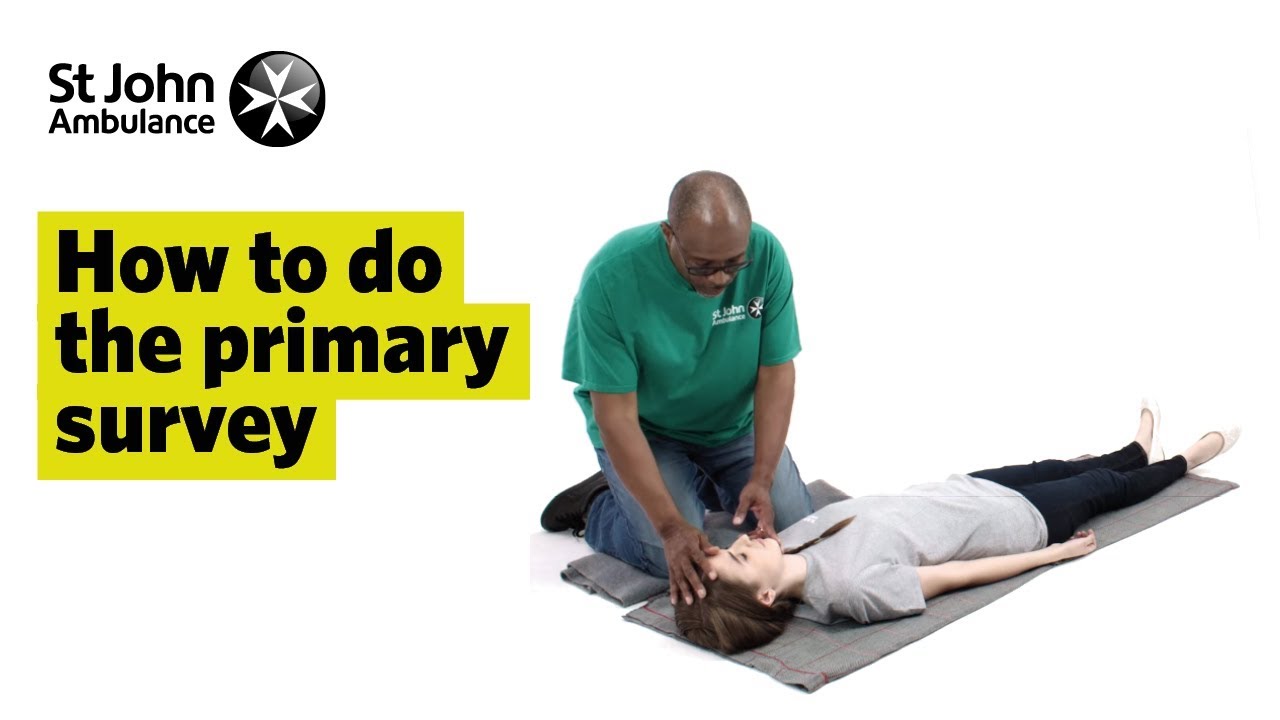
Before launching any life-saving steps, examining responsiveness is essential.
- How to Examine Responsiveness? Gently shake the individual's shoulders while asking if they are okay. If there's no feedback, ask for emergency situation assistance immediately.
Hospital Codes and Protocols
Every hospital operates under particular codes that determine how emergency situations ought to be handled.
- What are Health center Codes? Codes like "Code Blue" typically indicate a client needing resuscitation. Why Know These Codes? Understanding methods makes sure that your activities align with health center policies throughout an emergency situation.
Public Defibrillator Usage: A Lifesaver
Public gain access to defibrillators play a considerable duty in increasing survival prices during cardiac arrests.
- How Do You Use One? Locate a neighboring AED. Turn it on and adhere to voice prompts. Ensure no one is touching the person when providing a shock.
BLS Accreditation: Why It Matters
Obtaining your BLS accreditation is vital for both laymans and medical care providers.
- Where Can You Obtain Certified? Many organizations like the American Heart Association offer programs at different levels.
Identifying No Breathing: A Critical Skill
Knowing just how to recognize whether a person is breathing is vital before launching CPR.
- What Does No Breathing Look Like? Lack of regular breathing patterns; seek wheezing or no movement at all.
Taking Switches on Compressions: A Group Effort
When multiple rescuers are present, rotating duties during upper body compressions can avoid fatigue.
Benefits of Taking Turns
Maintains top notch compressions. Prevents rescuers from coming to be exhausted. Enhances sychronisation among group members.Lower Compression Deepness: Is It Effective?
While there's a requirement for compression depth (at least 2 inches), some might question reduced midsts in specific situations.
- Is Reduced Compression Depth Effective? No-- staying with recommended standards is vital for effective blood circulation during CPR.
Slow Compression Rate: What's Optimal?
A common misconception is find CPR and first aid training near me that slower prices may be a lot more reliable; nonetheless:
- The excellent rate for breast compressions is between 100-- 120 per minute.
FAQ Section
1. What should I do if I see somebody collapse?
Start by inspecting responsiveness-- scream their name or provide a mild shake. If there's no reaction, call emergency situation services immediately.
2. The length of time should I execute CPR?
Continue until emergency situation -responders arrive or an AED is available; preferably until you're also tired or someone else can take over.
3. Can I perform mouth-to-mouth resuscitation on children?
Yes! The technique is comparable yet with lowered pressure-- use one hand Go to this site as opposed to two for smaller sized kids if needed.
4. Where can I learn more about BLS certification?
Check local health centers or wellness companies; lots of provide classes frequently tailored towards numerous ability levels.
5. What if I'm alone when someone needs help?
If you're alone with an adult who's less competent but breathing usually, call emergency solutions prior to starting mouth-to-mouth resuscitation; if they're not breathing-- start right away!
6. Is public defibrillator use safe?
Absolutely! AEDs are created for layperson use with easy guidelines offered using audio prompts-- do not hesitate!
Conclusion
Mastering Compressions: Taking Turns to Save Lives highlights more than just executing upper body compressions; it embodies teamwork, awareness of protocols, and knowledge concerning devices like AEDs that collectively contribute in the direction of conserving lives in emergencies. Whether you're licensed or simply wish to be gotten ready for unforeseen scenarios, understanding these principles will certainly equip you as an initial responder in critical moments. Remember-- the capacity to act confidently can transform anxiety into activity when it matters most!